
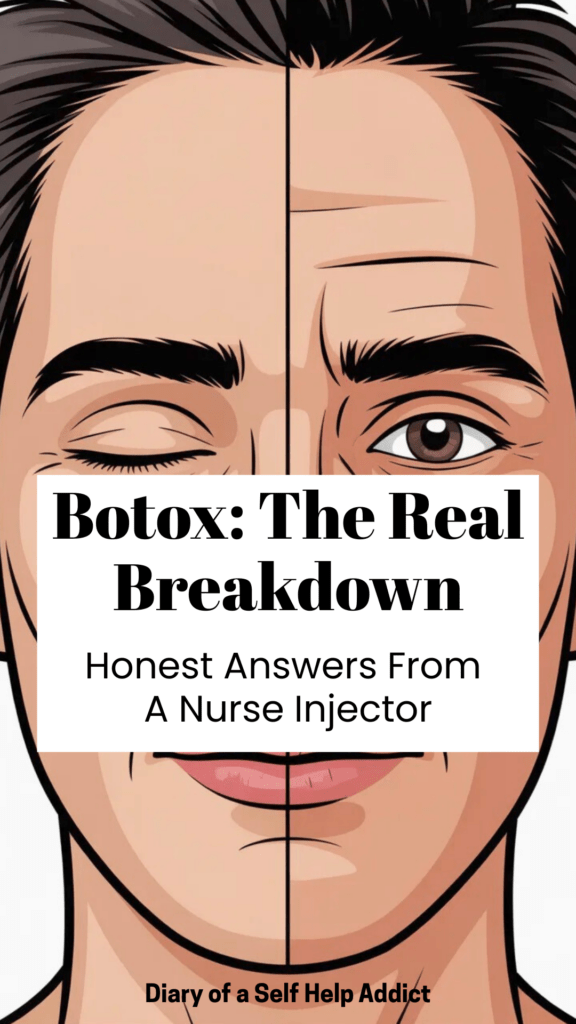
Let’s get one thing straight right out of the gate: Botox is amazing. It’s one of the most studied cosmetic treatments in the world, generally safe when performed correctly, and can soften wrinkles, prevent deeper lines, and give you a well-rested, hydrated, maybe-I-just-came-back-from-vacation look.
But.
There are things people don’t tell you. Not always because they’re hiding them—sometimes because there’s only so much time in an appointment, sometimes because nuance doesn’t fit neatly into an Instagram Reel, and sometimes because you don’t know what to ask until you’ve already done it once.
So consider this your Injector-friend-who’s-already-been-through-it guide to Botox. A little funny, very honest, and extremely informative.
Grab your coffee (or collagen water). Let’s talk about the stuff your injector might not have told you, but absolutely should have.
1. Dose Equals Duration (and Strength Matters)
This is probably the most misunderstood thing about Botox.
Botox doesn’t magically last the same amount of time for everyone. The dose matters, and so does the strength of your muscles.
If you have strong facial muscles (hello, expressive humans 👋), you will metabolize Botox faster. Period. That doesn’t mean it “didn’t work.” It means your face is doing what it’s designed to do.
More units generally mean:
- Longer-lasting results
- Stronger muscle relaxation
Fewer units usually mean:
- Softer results
- Shorter duration
This is why bargain Botox often ends up being… not such a bargain. If you get underdosed to save money or because you’re scared since it’s your first treatment, don’t be shocked when it wears off in 4-6 weeks (or doesn’t work at all!) instead of 3–4 months.
Botox isn’t a flat-fee situation—it’s based on anatomy, muscle strength, and dosing strategy.
And while we’re here, let’s talk about Baby Botox.
Those of you asking your injector for “Baby Botox”—pause. Take a breath. And maybe… don’t.
Here’s why: if you underdose, you’re not going to get real results, and then you’re going to think your injector didn’t do a good job. But you are their walking advertisement. Trust me, your injector wants you looking amazing far more than they want to save you a few units.
Good injectors aren’t trying to squeeze money out of you—they’re trying to give you results that actually work for your anatomy. Let them do what they’re trained and experienced to do: assess your muscle strength, your facial balance, and recommend a dose that makes sense.
Related Read: TWO CHANGES THAT TRANSFORMED MY AGING SKIN AT 52 (AFTER DECADES OF IGNORING SKINCARE)
2. If You Treat the Forehead, You Have to Treat the Glabella
I know. You just want those horizontal forehead lines gone. Seems simple, right?
Except… the forehead doesn’t live alone.
Your forehead muscles (frontalis) work in opposition to your glabella muscles (the 11s between your brows). If you weaken one without addressing the other, the balance is off.
What happens if you only treat the forehead?
- Your brows can drop
- You may look tired or heavy
- Your 11s can actually look worse
This isn’t your injector trying to upsell you. This is facial mechanics.
Think of it like Pilates (because of course I am): if you strengthen one muscle group and ignore its counterpart, something is going to compensate—and not in a cute way.
3. If You’re Going to Save Money, Save It on Areas That Aren’t That Wrinkled
Let’s be strategic.
If budget is a concern (and for most of us, it is), the smartest place to cut back is in areas that don’t yet have a lot of wrinkles.
Examples:
- Crow’s feet that only slightly show when you smile
- A lightly etched area that’s more preventative than corrective
Where not to skimp:
- Deep and active forehead lines
- Strong glabella muscles
- Areas that already have static wrinkles (however, they may not fully resolve, so don’t expect it.)
Botox works best when there is enough product to adequately relax the muscle. Half-committing usually just means you’ll be back sooner (and it may not work at all- so don’t waste your money!).
Spend where it counts. Save where it won’t matter as much.
4. It Takes 14–21 Days to Fully Kick In (and You Might Look Funny First)
This one surprises people every time.
Botox does not work instantly. It works like a bell curve— gradually kicks in and gradually wears off.
You may notice:
- Small changes at 3–5 days
- More movement reduction around day 7–10
- Full results at 14–21 days
- If dosed correctly, it peaks by week 6 and starts to wear off slowly.
And here’s the fun part: different muscles kick in at different times.
So yes, for a brief window, you might:
- Lift one eyebrow more than the other
- Feel uneven
- Think, “Did they mess this up?”
Relax. Let it settle.
Unless something is dramatically wrong (true drooping, vision changes, etc.), the best thing you can do is wait the full two weeks before judging the outcome.
Another thing…. it took me three to four Botox treatments per year for the past THREE years to get my deep forehead lines to soften. Botox isn’t a one-time fix. It’s a process.
Related Read: BIOREPEEL: THE REVOLUTIONARY CHEMICAL PEEL THAT WORKS WONDERS
5. Flu-Like Symptoms and Headaches Are Possible Side Effects
No one loves this part, but let’s be honest.
Some people experience:
- Mild flu-like symptoms
- Headaches
- Fatigue
This doesn’t mean you’re allergic. It doesn’t mean something went wrong. It’s a known, temporary side effect for a small percentage of people (<9%).
For me personally? I get a headache almost every time. Sometimes for a day, sometimes longer. Still worth it, but good to know in advance.
Hydration helps. Rest helps. Planning your appointment not right before a major event also helps. And remember—it’s generally not recommended to take NSAIDs like ibuprofen beforehand (or after) due to their blood‑thinning effects, which can increase the risk of bruising.

6. You May Need to Take a Break (Yes, Resistance Is Real)
If you’ve been getting Botox for years and suddenly feel like it’s not lasting as long—or not working as well—you’re not imagining it.
Some people develop partial resistance over time.
Options include:
- Taking a break (for a YEAR!)
- Switching neuromodulators
- Adjusting dosing strategies
This is not a failure. It’s biology.
Your injector should recognize this and help guide next steps—not just keep injecting more and more units indefinitely.
7. Hooded Eyes + Forehead Botox Can Feel Heavy
If you have hooded eyes, listen closely.
When the forehead is treated, the muscle that helps lift the brows relaxes. If your eyelids already have limited space, this can cause heaviness or tiredness.
This doesn’t mean you can’t get Botox—it means your injector needs to:
- Adjust placement
- Modify dose
- Possibly focus elsewhere
This is a conversation, not a one-size-fits-all situation.
8. Your Injector Needs to REALLY Know Anatomy
This is not the place to gamble.
Botox is only as good as the person injecting it. Facial anatomy is complex, and millimeters matter.
A qualified injector understands:
- Muscle depth
- Vascular pathways
- Individual asymmetry
This is why experience matters. This is why price-shopping alone is risky.
It’s also why consistency matters. Sticking with the same injector allows them to really get to know your face—how your muscles move, how you respond to treatment, and how long your results last. Botox isn’t static; it’s a journey that is customized over time.
Think of it like a hairdresser. The more they work with your hair, the better they understand what it needs, how it behaves, and what works best for you. Jumping from injector to injector makes it much harder to achieve truly dialed‑in, predictable results.
You want someone who sees your face as a system—not a template.
Related Read: 11 SKINCARE SECRETS I WISH I KNEW IN MY 20S THAT YOU SHOULD START TODAY!
9. Let’s Talk About Risks (Because We’re Sticking Needles in Your Face)
Most side effects are temporary, but they are real:
- Lid or brow ptosis
- Crooked smile (depending on area treated)
- Bruising (obviously)
- Blebs (temporary bumps at injection sites)
- Soreness or bruised feeling without visible bruising
And yes—headaches, flu-like symptoms, and fatigue are potential side effects, as I said previously.
Knowing the risks doesn’t mean you shouldn’t do Botox. It means you’re making an informed decision.
Also, note that Botox is not recommended if you are pregnant or breastfeeding (no safety studies), have had a recent vaccine within 30 days (immune response may interfere or it may not work), are under 18 years old, or have a major event within 7 days due to potential bruising.
10. Dysport Is Great, But Here’s Why It Can Cost More Overall
Dysport is great, and for some people, it feels like it kicks in a little faster or lasts a bit longer.
But here’s the pricing reality that often gets glossed over:
Yes, Dysport costs less per unit. For example, I charge $5 per unit for Dysport and $10 per unit for Botox.
However, (and this is the important part) you typically need 2.5–3 times as many Dysport units to achieve the same effect as Botox.
While Dysport appears cheaper on paper, once you factor in the higher unit requirement, it often ends up costing more overall.
This doesn’t make Dysport better or worse—it just makes it different. There are two tools that work slightly differently, and the right choice depends on how your body responds, not just the price per unit.
Let’s Chat About Cost: Don’t Be Fooled
A quick note on pricing: Botox is not cheap to produce nor is it cheap for independent injectors to buy, so if you see medspas regularly advertising super low rates ($7-$8 per unit), it’s worth pausing. There’s a very real chance they’re not using genuine Botox or cutting corners in ways that could affect your safety or results. Always ask what brand they use, check credentials, and prioritize quality over a deal. This is your face, not a bargain bin.
Kelly’s Thoughts
Botox can be empowering. It can boost confidence. It can soften lines and help you feel more like yourself.
But it’s not magic—and it’s not something to go into blindly.
The best results come from:
- Education
- Honest conversations
- Skilled injectors
- Realistic expectations
And maybe a sense of humor—because yes, sometimes you’ll look a little funny before you look fabulous.
Have questions I didn’t cover? Curious if Botox (or Dysport) is right for your face? Drop your questions in the comments or send me a message—I’m always happy to help you make informed, confident decisions about your skin and your treatment. This is a conversation, not a one-size-fits-all solution.
Contact me here to schedule a FREE, 15-minute Botox Consultation: KL Aesthetics & Wellness, LLC
Pin it for later